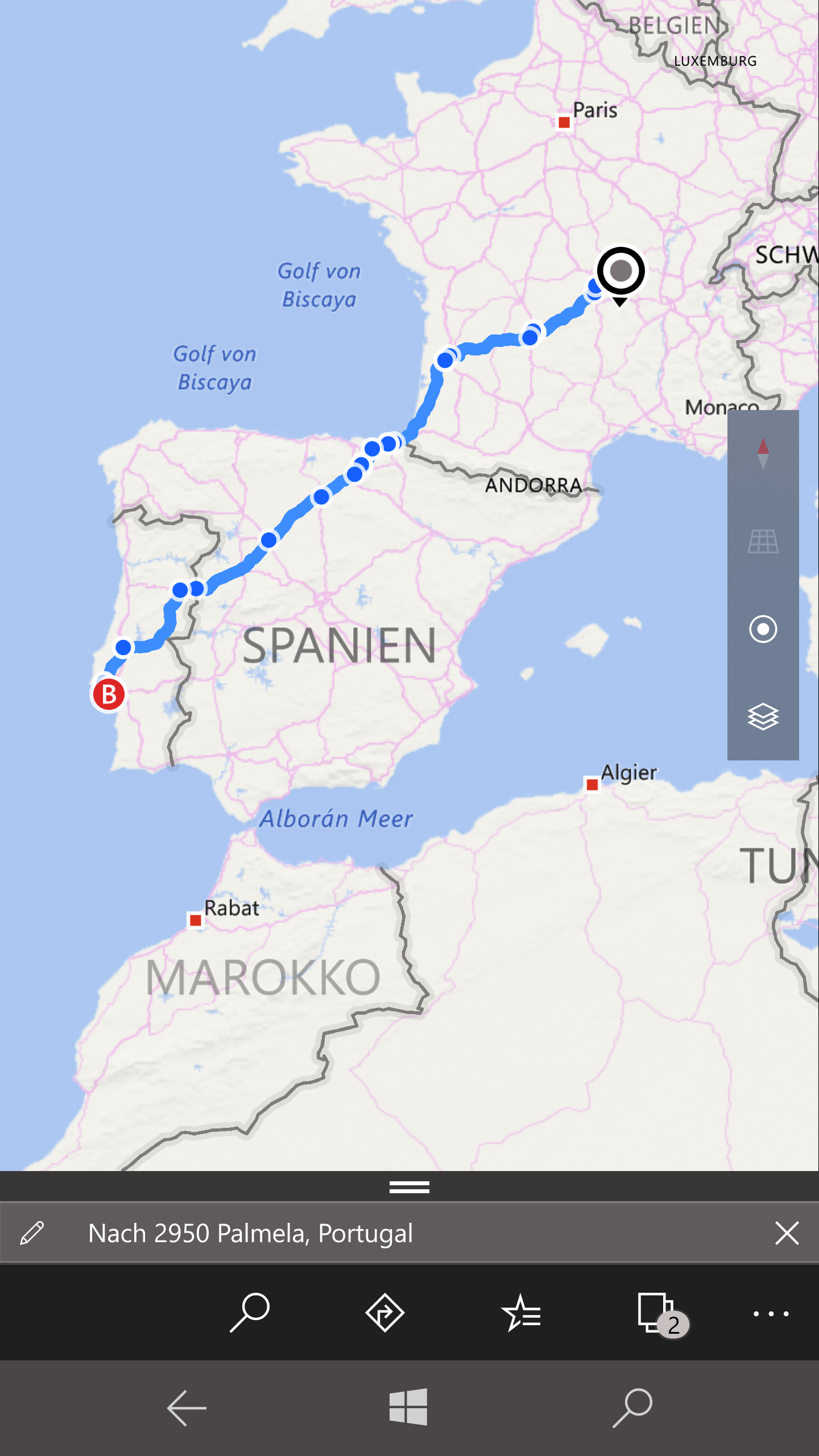
Die nächste Crew ist auf dem Weg nach Lissabon. Gesa hasst das Fliegen und so verbinden wir Schönes mit Nützlichem und machen einen Roadtrip um Zora an ihrem letzten geplanten Hafen auf dem Europäischen Kontinent noch einmal zu versorgen. An Bord unseres VW Busses sind außer der Campingausrüstung allerlei Großes und Kleines das an Bord zumindest noch nützlich sein könnte. Unter anderem ein überholter Wärmetauscher für die grüne Eminenz. Vielleicht ist das nur notwendig um die Paranoia von Tobias zu beruhigen, der der Reparatur aus Ramsgate nicht so richtig traut und sich auf einer einsamen Insel (Selvaghem Grande – wer kennt das und weiß wo das ist 😛) mit einem leckenden Wärmetauscher sieht…
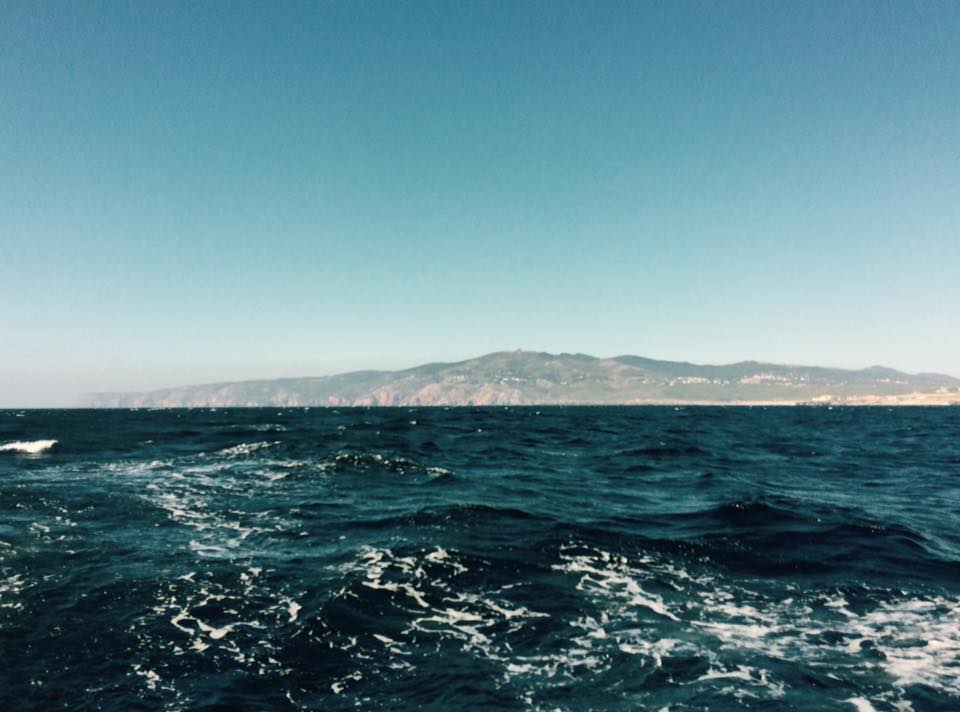
Am Sonnabend gegen 18:00 läuft Zora in Cascais ein – fast eine Woche früher als geplant. Am Sonntag hatte ich die Gelegenheit länger mit dem Skipper zu telefonieren. Die gesamte Reise verlief entspannt und nach Plan. Alles an Bord hat gut und zuverlässig funktioniert. Alle Crews haben sich wohlgefühlt. Über die Reise gäbe es viel zu berichten. Hoffentlich wird einer der Teilnehmer den Weg zum Stift oder zur Tastatur finden…
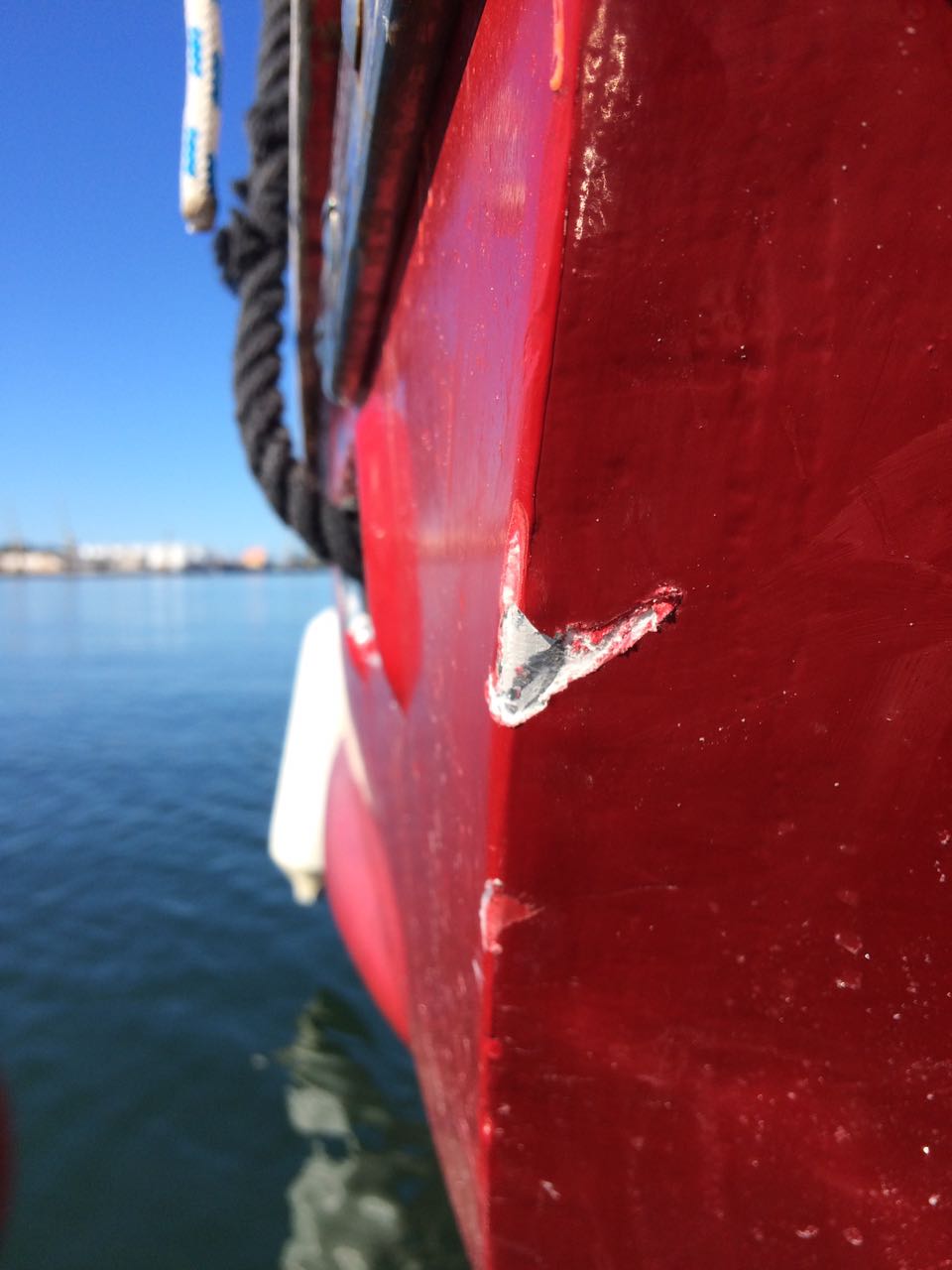
Gestern früh wurde die Crew durch lautes Krachen geweckt. Der Blick nach draußen enthüllte, dass eine Niederländische Segelyacht beim Manövrieren im Strom auf dem Heck der Zora gelandet war. Der aus dem Schlaf gerissene Skipper konnte noch feststellen, dass sich der Unfallgegner nach etwas Zögern aus dem Staub machte.
Anfängliche Sorgen, dass Ruder oder Windsteuerung beschädigt seien, konnten rasch zerstreut werden. Nur eine Tiefe Macke am Spiegel zeugt von dem Vorfall. Das kann natürlich mit Farbe und Spachtel repariert werden. Aber es ist doch sehr ärgerlich (und rechtswidrig) dass der unbekannte Segler nicht wenigsten längsseits gekommen ist um sich den Schaden zu beschauen und seine Daten zu hinterlassen.
Jakob hat sich dann entschlossen bei der Policia Maritima eine Beschwerde zu hinterlegen und ausserdem den Hafen in Bayona informiert, wohin der Segler vermutlich unterwegs war. Mal schauen, ob dass dazu führt, dass er sich meldet…
… to the lonely sea and the sky… “ Diese ersten Worte aus “Sea Fever” von John Masefield haben an dunklen Hamburger Winterabenden immer wieder die Sehnsucht geweckt einmal die Segelreviere von Nord- und Ostsee zu verlassen, weit nach Westen zu fahren und den Pulsschlag der großen Ozeane zu spüren. Viele Jahre haben wir Küsten und Gewässer von Borkum bis Bornholm und von Glückstadt bis Göteborg befahren. Nun sind die Kinder groß. Noch einmal den Horizont zu erweitern und etwas Neues zu wagen. Die Zeit ist günstig: Die Kinder sind im Studium weit fortgeschritten, oder sogar ganz damit fertig. Das Berufsleben hat für sie noch nicht begonnen. Der Europäische Röntgenlaser geht in Betrieb und der Job als Projektleiter findet ein natürliches Ende. Diese und viele andere glückliche Umstände führen dazu, dass aus der Idee Realität wird. Am 10. Juni 2017 feiern wir mit einigen Freunden und Mitseglern tatsächlich unsere Abreise in Richtung Westen. Die Reise soll eine “Tour d’Atlantique” werden, für die wir ein Jahr angesetzt haben. Ein Teil davon soll ein 6-monatiger Sabbatical sein, der nach einigen Verhandlungen tatsächlich vom 1. 1. – 30. 6. 2018 stattfinden kann. Die Atlantiküberquerung in Richtung Westen ist für November/Dezember 2017 angesetzt und die Rückreise für Mai/Juni 2018. Die Kinder und sogar Schwiegerkinder wollen mittun, als Skipper und Mitsegler auf allerlei verschiedenen Etappen.
Crew No 1 in Ramsgate
Vor der Abreise war eine Menge vorzubereiten und zu planen, über einen Zeitraum von fast 4 Jahren. Am Anfang steht die Wahl des geeigneten Schiffs. Über die Rode Zora von Amsterdam schreibt ihr Konstrukteur, Dick Koopmans: “An IMOCA 60 skipper is mainly focused on setting the right sails, repairing the boat and sleep. Sailing the long keeled 205 means enjoining the ocean looking for birds and whales, reading books and cooking nice meals. When hitting some floating objects there will generally be no damage and it doesn’t need a shore team. It is just a different experience…” Aber ein Schiff ist nur so seetüchtig wie seine Mannschaft. Also melden wir 2015 für Helgoland- Edinburgh. Wir betrachten das als Einstieg ins “Offshore Sailing”. Im Jahr 2016 segeln wir non-stop nach Helsinki und testen eine neue Selbststeueranlage mit kleiner Crew. Ausserdem bilden wir uns weiter, besuchen Kurse für SSS und SHS, Sicherheit und Medizin. Im Winter 2016/2017 werden dann noch Klo und Spüle umgebaut, damit sie auch bei tagelangem Segeln auf einem Bug funktionieren. Es gibt neue Anker, neue Segel, neue Drähte, einen Jordan Series Drogue, einen SSB Transceiver und als Bonbon einen Kühlschrank, den wir zwar bisher nie vermisst haben, von dem wir uns allerdings vorstellen, dass er wichtiger sein könnte in der Karibik als unser Dieselofen.
Trotz langer Vorbereitung sind die letzten Tage vor der Abreise anstrengend. Natürlich ist der Kühlschrank nicht fertig und allerlei, das schon einmal tadellos funktionierte ist plötzlich kaputt. Dazu zählt auch der Windgenerator, der neue Lager braucht und der Motor bei dem die Seewasserpumpe leckt. Zu guter Letzt ist dann noch der Deckel der neuen Kühlbox weg, vielleicht in Wedel in einer Karre geblieben und von einem geschätzten Segelkameraden prompt mitgenommen. Ein neuer entsteht aus einem Reststück Sperrholz am Abreisetag um 5 Uhr früh. Während viele SVAOer gen Otterndorf segeln, feiern wir in kleiner Rund mit Freunden und Mitseglern und geniessen eine Vielzahl von Köstlichkeiten, die vorbereitet wurden, während die Skipper im Keller einen neuen Deckel für die Kühlbox zimmerte.
Um 16:30 am 10. Juni, 1.5h vor Hochwasser St. Pauli, lösen wir die Leinen im Museumshafen Oevelgönne und motoren elbabwärts in Begleitung der kleinen Johanna. An Bord: Gesa, Ragna und Aharon Thoennessen. Von dieser selben Johanna wurden im Jahr 1994 auf der Schlei die schönsten Fotos unsere alten Mollymauk gemacht. Damals war sie noch im Besitz der Familie Zachariassen. An Bord von Mollymauk damals Felix und Hendrik Zachariassen, 8 und 9 Jahre alt. Auch sie sind im Jahr 2017 Teil einer der Crews von Rode Zora, zu diesem Zeitpunkt vor Anker auf den Scillies. Auf der Elbe regt sich kein Lüftchen. Unsere Maschine, Jean Johannsen, ein Schwede mit französischen Wurzeln, muss für Vortrieb sorgen. Das bleibt auch so bis Cuxhaven, wo wir um 0100 einlaufen um erst einmal nach den Anstrengungen der letzten Tage zu schlafen. Mit der Tide um 0700 sind wir wieder unterwegs. Die Aussenelbe begrüsst uns mit Sonne und Wind. Die Baken und Inseln fliegen an uns vorbei. Kaum haben wir das Schiff aufgeräumt Reverse Phone Lookup , sind wir schon bei Elbe 1 und setzen erst einmal einen Kurs auf Norderney ab: Der Wetterbericht verspricht Starkwind aus West ab dem Abend. Zwischen den Inseln und dem TSS Terschelling German Bight ist wenig Platz um Kreuzen. Das bedeutet: Jede Stunde eine Wende. Mit nur 3 Mann an Bord ist das in den Nächten sehr anstrengend, da die Zora mit ihren zwei Vorsegeln und Backstagen bei viel Wind eigentlich 2 Mann für die Wenden braucht. Bei vollständiger Windstille, motoren wir schliesslich kurz vor Sonnenuntergang durch das Dovetief nach Norderney. Kurz darauf regt sich der Wind und frischt wie versprochen auf. Der nächste Morgen beschert uns bestes Nordseewetter: 6 – 7 Beaufort aus West bei Sonne und Wolken und ordentlich Brandung auf den Sänden. Jakob, der die Insel mit seinen Freunden regelmässig zum Surfen besucht, führt uns durch das alte Seebad mit seiner Mischung aus Grandezza und Spießigkeit.
Die Idee am Nachmittag weiter zu segeln begraben wir nach einem Gespräch mit den Leuten vom Seenotrettungskreuzer. Die sprechen von schweren Grundseen und raten uns dringend von unseren Plänen ab. Am nächsten Morgen hat der Wind dann abgeflaut und bei immer noch ordentlich See fahren wir wieder auf die Nordsee. Jakob beschreibt die Passage durch die Sände als spektakulär. Links und rechts brechen die Wellen. Ein entgegenkommender Fischkutter rollt mächtig und taucht seine Bäume bei jedem Roll in die See. Der Skipper nimmt vorsichtshalber eine Tablette Cinnarizin, das sich hervorragend bewährt. So geht es dann Kreuzschlag um Kreuzschlag in Richtung Westen. In der Nacht vor Terschelling ist dann der Wind weg und wieder muss der französische Schwede für 20 Stunden ran. Am Abend des zweiten Tages kommt der Wind wieder. Der Weg über die Nordsee ist gepflastert mit Verkehrstrennungsgebieten und Windparks. Der von uns gewählte Weg von Texel direkt nach Dover bewährt sich dabei, denn wir müssen tatsächlich nur ein einziges TSS queren. Am Morgen des dritten Tages stehen wir schon recht dicht vor der Englischen Küste, als kurz ein knackiges Starkwindfeld durchzieht. Wir müssen zum ersten Mal die neuen Segel reffen. Dabei vertörnen sich die neuen Klüverschoten mit ihren Dyneema Vorläufern zu einem eindrucksvollen Knubbel. Wieder was gelernt!. Nichts umbauen, was nicht vorher ausprobiert wurde. Der Wind flaut nach 2 Stunden ab und erlaubt uns das Problem entspannt zu lösen. Mit Sonnenuntergang segeln wir direkt vor dem Hafen Ramsgate vorbei und entscheiden uns spontan dort einzulaufen. Wieder hätte uns eine durchkreuzte Nacht mit Gegenstrom erwartet.
Am nächsten Morgen kurz vor dem Auslaufen enthüllt die Routinekontrolle, dass aus einem der Kühlschläuche an der Maschine Salzwasser tropft. Da rutscht das Herz kurz einmal in die Hose. Eine Analyse der Situation ergibt, dass wir ein Leck im Wärmetauscher haben. Das lässt sich mit Knetepoxy reparieren. Als dann beim Wiedereinbau des Wärmetauschers allerdings auch noch eine Schraube abreisst, ist die Laune sehr gedämpft. Aber die Engländer in Ramsgate sind unglaublich freundlich und hilfsbereit und an einem Freitagnachmittag wird das Problem der abgerissenen Schraube kurz und schmerzlos repariert. Das hätte in Deutschland niemals geklappt! Leider ist nun aber das eigentliche Ziel dieser Crew, Cowes auf der Isle of Wight, kaum noch erreichbar, ehe am Sonntag der Flieger in London abheben soll. So wird die neue Crew von Cowes nach Ramsgate umdirigiert. Das bringt dann Zeit und Musse, denn die neue Crew kommt erst am Sonnabend um 12:00. Der Wärmetauscher ist repariert und wir haben Zeit. Die verbringt die alte Crew mit einer wunderbaren Fahrradtour in Kent während der neue Skipper, Jakob, die neue Crew einweist. Auch Ramsgate erweist sich als eine glückliche Wahl. Hier findet man noch ein England, wie man es aus der Vergangenheit in Erinnerung hat: Charmante Architektur, freundliche Menschen, hinreissende Landschaften. Noch dazu definitiv untypisches warmes Hochdruckwetter. Das alles gekrönt mit einem köstlichen gemeinsamen Abendessen an Bord mit der neuen Crew. Aus dem Kühlschrank, der inzwischen tadellos funktioniert kommt das kalte Bier. Am Folgetag kann die alte Crew der neuen beim Ablegen helfen und macht sich dann mit Zug in Richtung London auf.
Die neue Crew nützt das Hoch über den Britischen Inseln und segelt mit Zwischenstopp in Cowes in 3.5 Tagen nach Dartmouth. In den Folgetagen besucht sie die Scillies und segelt mit 7 Beaufort im Rücken von den Scillies zurück nach Falmouth. Für Sonntag ist der Absprung über die Biskaya mit Crew Nr. 3 geplant. Am 21. .7. soll die Zora in Lissabon sein…